
The Saudi grocery shelf is concentrated. The USDA's 2026 review of the market puts food retail at roughly USD 57 billion and says five chains take more than 80 percent of it: LuLu, Tamimi, Panda, Danube and Othaim. Panda had 227 stores at the end of 2025 and plans more than 20 more in 2026. Othaim runs over 300 supermarkets plus corner stores. BinDawood Holding, which owns Danube, had 103 stores and more than 140,000 SKUs. Tamimi has just over a hundred. That concentration is why a listing matters so much, and why the buyer on the other side of the table has a queue.
What do the chains actually ask a new supplier for?
Two of the big five publish their supplier forms. They tell you what the buyer sees first.
| Chain | What the public form asks for | What that means for the pack |
|---|---|---|
| Panda | Commercial registration number and copy; business unit and category; brand name; whether the brand already exists in the Saudi market; supplier location; an Excel of SKU names, price and margin; pictures of the SKUs; optional marketing plan; a compliance declaration. Fresh categories need SFDA approvals up front. The form states that registering is not a promise of a listing. | The picture of the pack is in the first submission. It is the pitch. If the range does not look like a range in a folder of JPEGs, the meeting may not happen. |
| BinDawood and Danube | Supplier type (local manufacturer, distributor, multinational subsidiary); whether you have a Saudi distribution centre; regional coverage; sole distribution rights; whether you have a sales and marketing team. Supplier helpline 800 244 2202. | The buyer is asking whether you can service the shelf, not only fill it. Merchandising and replenishment are part of the deal. |
| Tamimi and Othaim | Supplier portals behind login. Tamimi's links to supplier manuals; Othaim's handles orders, returns and gate booking. Requirements are not public. | Ask the buyer for the supplier manual before you finalise outer cases. Shelf-ready packaging specs live there. |
Before any of that, the product itself has to be registered. Importers register the establishment and each product with SFDA, uploading the barcode, item code, ingredients in English and Arabic, a picture of the product and a copy of the label. USDA notes the electronic registration is free. So the label you design is also the label you register.
What does a listing cost?
The USDA exporter guide for Saudi Arabia reports that most major supermarkets and hypermarkets request listing fees from local distributors in a range of roughly USD 267 to 17,067 per SKU, and that the larger the distributor, the more it can negotiate that down. On top of the fee, retailers commonly ask for a percentage rebate on annual turnover, contributions to advertising, in-store merchandising seven days a week, payment terms of at least 60 days, gondola rental and reimbursement for expired items. One caveat: that fee range has appeared in the guide for over a decade, so treat it as the shape of the deal rather than a current price list. The 2026 review still says listing and other fees significantly increase the cost of launching a new product.
For packaging, the number that matters is the per-SKU fee. Every size and variant you list is a separate line. A range that launches with three SKUs instead of eight is a cheaper listing, which is a good reason to design a system that can add SKUs later without a redesign.
What does the buyer check on the pack?
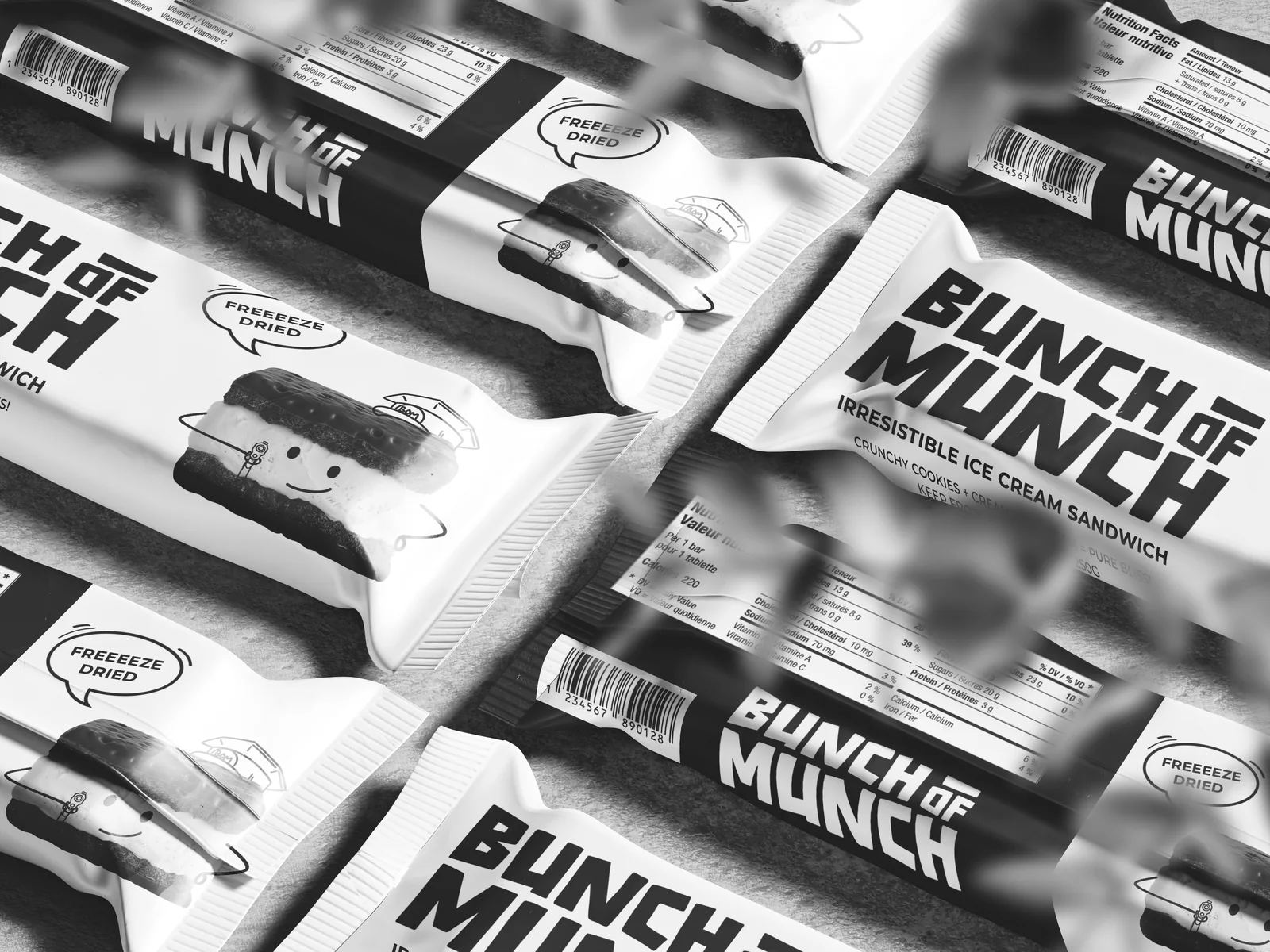
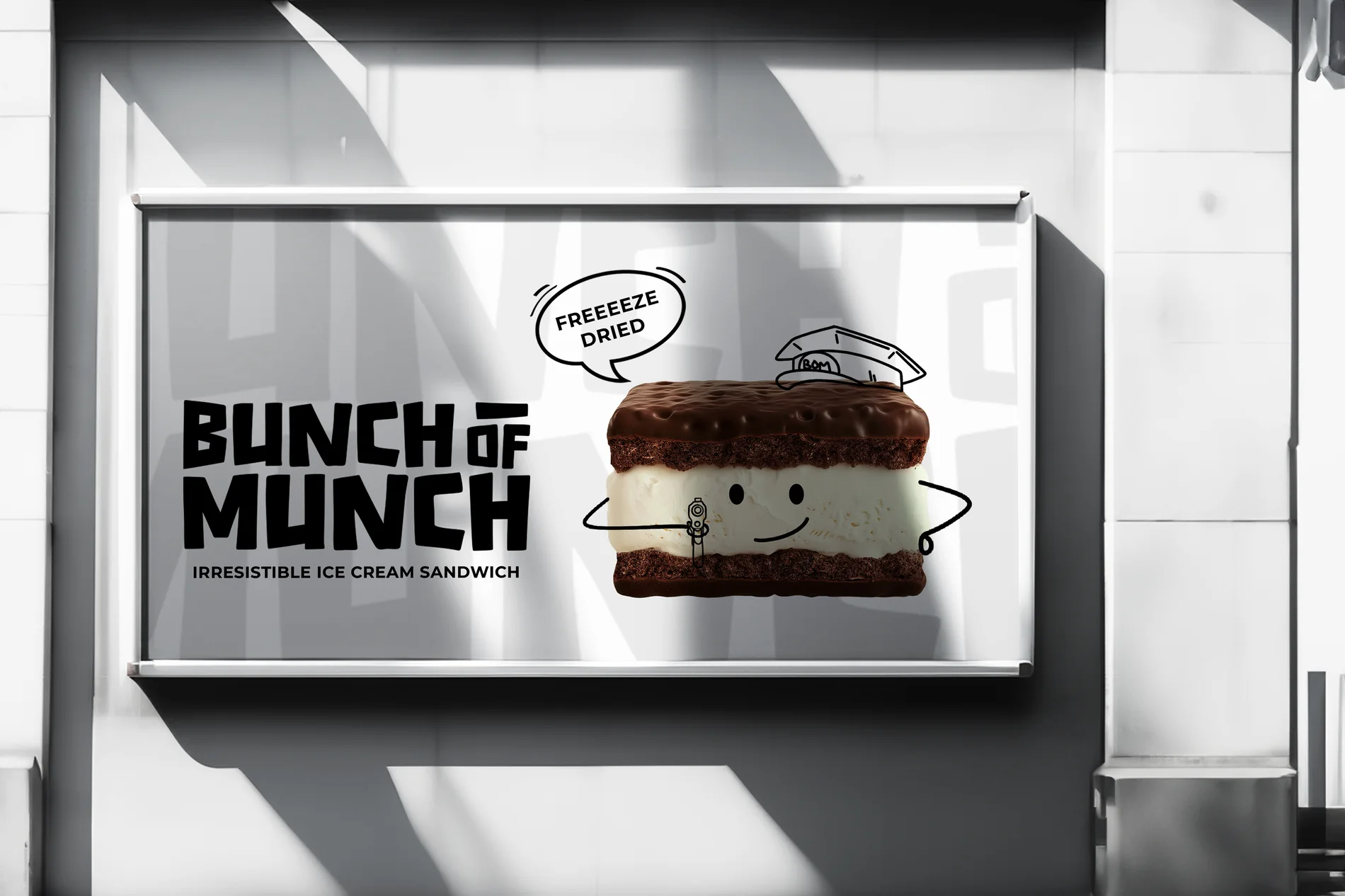
- The block. Three to eight facings side by side. Does the range read as one brand from six metres? Colour-coding variants is fine; changing the logo position per variant is not.
- Arabic first. The label must be in Arabic under GSO 9:2022, with any other language matching it. A pack where the English is the hero and the Arabic is a strip reads as imported and unfinished to a Saudi buyer, whatever the regulation says about ratios.
- Barcode placement. Saudi barcodes are issued by GS1 Saudi Arabia under the 628 prefix; the association's own renewal pricing runs to a few thousand riyals for a hundred codes. We could not find a published retailer mandate for GS1 codes, but GS1 itself lists retailer acceptance as the reason to have one, and every scanner at the till expects it. Put it on a flat face, away from seams and folds, with quiet space around it.
- Date visibility. Both production and expiry dates are printed on the pack, never stickered. USDA's 2026 review notes that a high share of Saudi retailers return unsold product to the supplier after the printed expiry date. Staff rotate stock by that date daily. If they cannot find it, your product sits behind the one they can read.
- The outer. Shelf-ready cases, tray packs and case markings are specified in the supplier manuals we could not access publicly. Ask for them. An outer that opens into a display tray with the front facing out saves the merchandiser time, and buyers notice which suppliers save their staff time.
- The thumbnail. Panda's e-commerce revenue roughly tripled in 2025 under its Ocado partnership, and the quick-commerce apps, Ninja, HungerStation, Noon Minutes, Danube Online and Carrefour Now, are all growing. On an app the pack is 150 pixels wide. If the product name is not readable at that size, the app listing is a grey square with a price.
Private label is on the same shelf
Panda has run its own Panda and Miza brands since 2004 with over fifty private-label suppliers. The chain is your customer and, in many categories, your competitor, and its own products already have the block, the Arabic and the barcode right. A new brand does not win a facing by being slightly cheaper than private label. It wins by being visibly the branded choice.
How to prepare the range before you submit
- Photograph or render every SKU on a plain background, front and back, before the Panda form. That folder is the first impression.
- Decide the launch SKUs against the per-SKU fee, and design the system to grow.
- Lock the label under the SFDA layout checklist, register it, and do not change it after registration.
- Get the supplier manual for the outer, then design the case as part of the range, not as an afterthought from the converter.
- Test the front at thumbnail size on a phone.
This is the work we do for GCC food brands: the range, the label, the outer and the thumbnail as one system. See it in our packaging work, budget it with the Saudi cost guide, and when you have a category meeting coming, send us the range. We will tell you what the buyer will see.
Frequently asked questions
Which supermarket chains matter most in Saudi Arabia?
USDA's 2026 review says five chains, LuLu, Tamimi, Panda, Danube and Othaim, take more than 80 percent of Saudi grocery retail revenue. Panda had 227 stores at the end of 2025, Othaim over 300 supermarkets, BinDawood Holding 103 stores and Tamimi just over 100.
How much does it cost to get listed in a Saudi supermarket?
USDA reports listing fees of roughly USD 267 to 17,067 per SKU requested from distributors, plus turnover rebates, advertising contributions, merchandising, 60-day payment terms and expired-stock reimbursement. The range has been reported for years, so treat it as the shape of the deal and negotiate; larger distributors pay less.
What does Panda ask for in its supplier form?
Commercial registration, business unit and category, brand name, whether the brand already exists in Saudi Arabia, supplier location, an Excel of SKU names with price and margin, pictures of the SKUs, an optional marketing plan and a compliance declaration. Fresh categories need SFDA approvals first.
Do I need a GS1 barcode to sell in Saudi supermarkets?
GS1 Saudi Arabia issues the 628-prefix codes and lists retailer acceptance as a benefit of membership. We could not find a published legal mandate, but retail scanners expect a GS1 code and buyers will ask for it. Register the code and place it on a flat face with clear space around it.