
Beautiful design gets compliments. Consistent systems get customers. The brands that grow year after year are rarely the prettiest in their category - they are the most coherent. Here is why consistency, not decoration, is the mechanism behind brand-driven growth, and what that means for how you invest in design.
Recognition compounds - if you let it
Every ad, post, package and page either deposits into the same memory or opens a new, empty one. When your brand looks the same everywhere, impression two builds on impression one; by impression twenty, a customer recognises you in a blink. When every campaign reinvents the look, you pay for impression one over and over, forever. That is the whole economics of branding in one sentence: consistency makes marketing cumulative.

Familiarity reads as trust - and trust converts
People buy from brands that feel established, and "established" is mostly a design signal: the same voice, colour and craft showing up reliably, everywhere. Inconsistency reads as risk - if a brand cannot keep its own story straight, why trust it with money? This is why a coherent system lifts conversion without changing a single product feature.
Systems cut your real costs
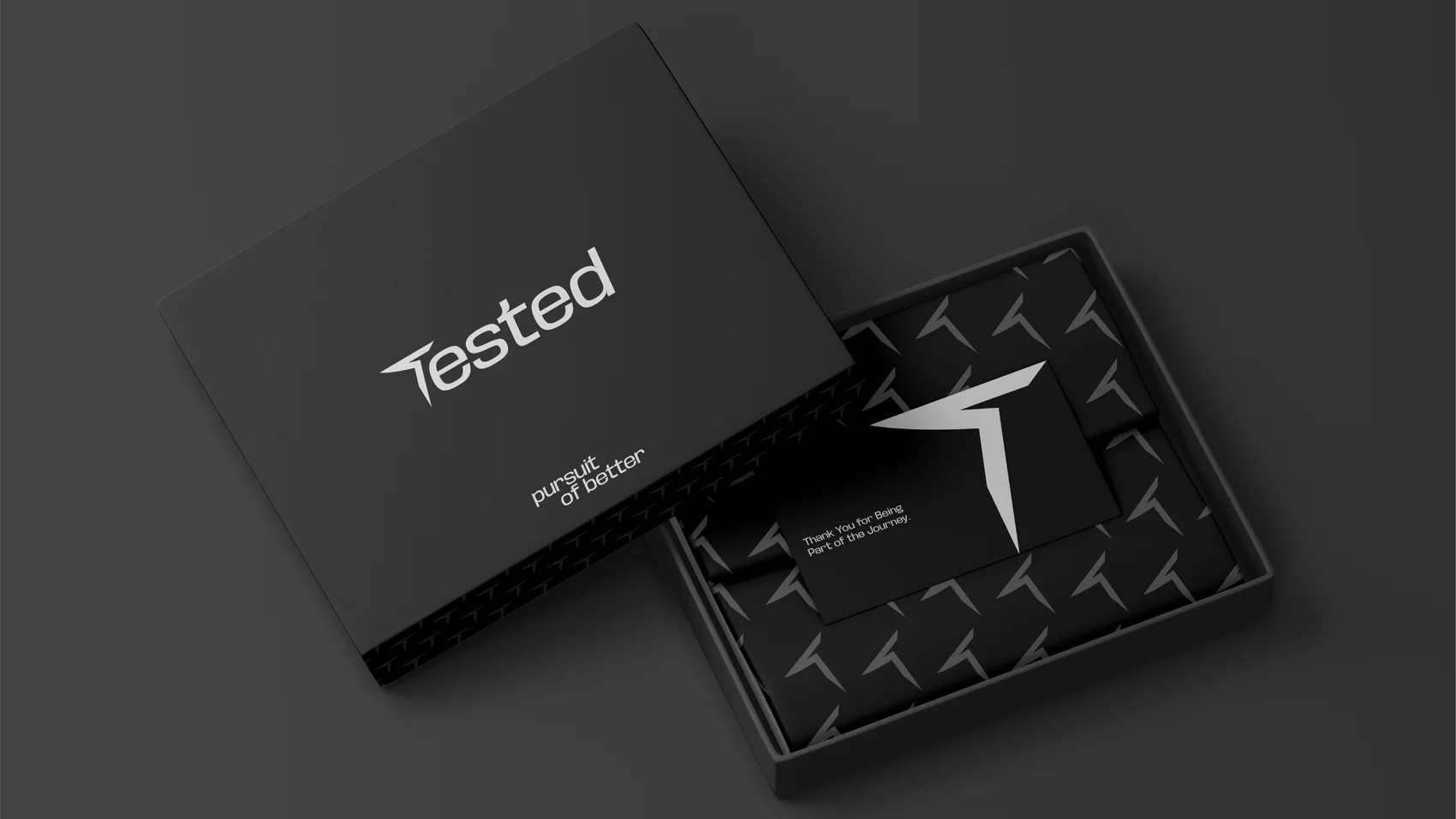
The hidden cost of not having a system is paid weekly: every social post becomes a design debate, every new hire produces off-brand assets, every campaign starts from zero. A proper system - templates, rules, components - turns brand production from decisions into assembly. Teams ship faster, agencies onboard cheaper, and quality stops depending on who happened to make the file. Our Bitsource and Tested systems were built exactly for this daily-use durability.

Pretty ages. Coherent scales.
Trend-driven design peaks the day it launches and dates from there. A system is built the opposite way: strong enough to stay recognisable, flexible enough to absorb new products, channels and campaigns without breaking. That is the difference between design as expense (redone every two years) and design as asset (compounding every year). If your brand already shows the cracks, our five refresh signs will tell you; if you are unsure what a system even includes, start with Logo vs. Brand Identity.
Design wins attention once. Systems win preference repeatedly.
Where to invest
If growth is the goal, buy coherence: an identity system with rules and templates, applied without exception, everywhere your customer meets you. It is less glamorous than a rebrand reveal - and it is what quietly moves revenue. See what that looks like in our work, or talk to us about building yours.
Frequently asked questions
What is a brand system?
A brand system is the complete set of rules and assets - logo variations, colour, typography, layout, imagery style and guidelines - that keeps a brand recognisable and consistent across every touchpoint, from packaging to social to web.
How does brand consistency increase revenue?
Consistency compounds recognition, and recognition lowers the cost of every future impression: ads convert better because the brand feels familiar, price resistance drops because familiarity reads as trust, and content gets produced faster because nobody reinvents the look each week.
Is investing in a brand system worth it for small businesses?
Yes - arguably more than for big ones. Small brands cannot outspend competitors, so every impression has to build on the last. A system makes a small budget behave like a bigger one by making all marketing cumulative.