
Most brands do not fail loudly - they fade. Sales flatten, marketing feels harder than it used to, and someone eventually says "maybe we need a new logo." Sometimes that is true. More often, the logo is fine and the system around it is what broke. Here are the five signs that tell you which one you are dealing with.
1. Your channels look like five different companies
Put your website, Instagram, packaging and pitch deck side by side. If a stranger could not tell they belong to the same brand, you do not have a logo problem - you have a system problem. Recognition is built by repetition, and inconsistency quietly resets it to zero every day. (If the difference between a logo and a system is fuzzy, start with Logo vs. Brand Identity.)
2. Your quality outgrew your look
This is the most common one we see: the product improved, the pricing moved up, the clients got bigger - but the brand still looks like the early-days version. When customers say "you're much better than you look online", they are handing you this sign directly. The visual promise has to match the actual standard, or you keep losing deals you deserved to win.
3. You blend in on the shelf - or in the feed
Cover your logo on your own packaging or social posts. Could the design belong to any competitor? If yes, your identity is generic - it decorates instead of differentiates. Distinctiveness is the entire commercial job of a brand identity; without it you are paying for reach that builds no memory.
4. Your audience or offer changed - the brand didn't
New market, new price point, expanded product line, repositioned offer - businesses evolve. An identity designed for who you were three years ago actively fights who you are now. This is not ageing; it is mismatch, and no logo polish fixes a mismatch.
5. Your own team avoids the brand assets
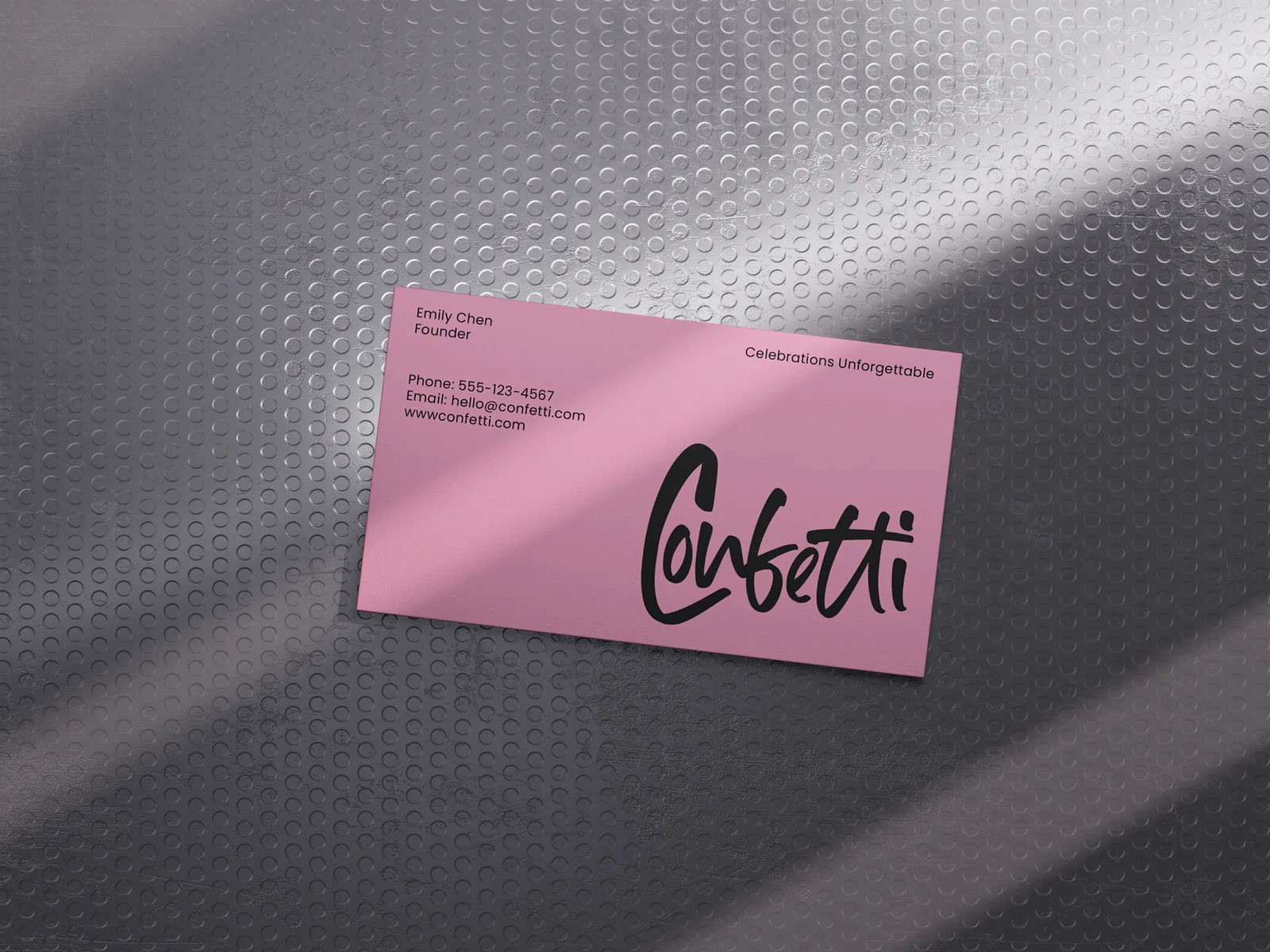
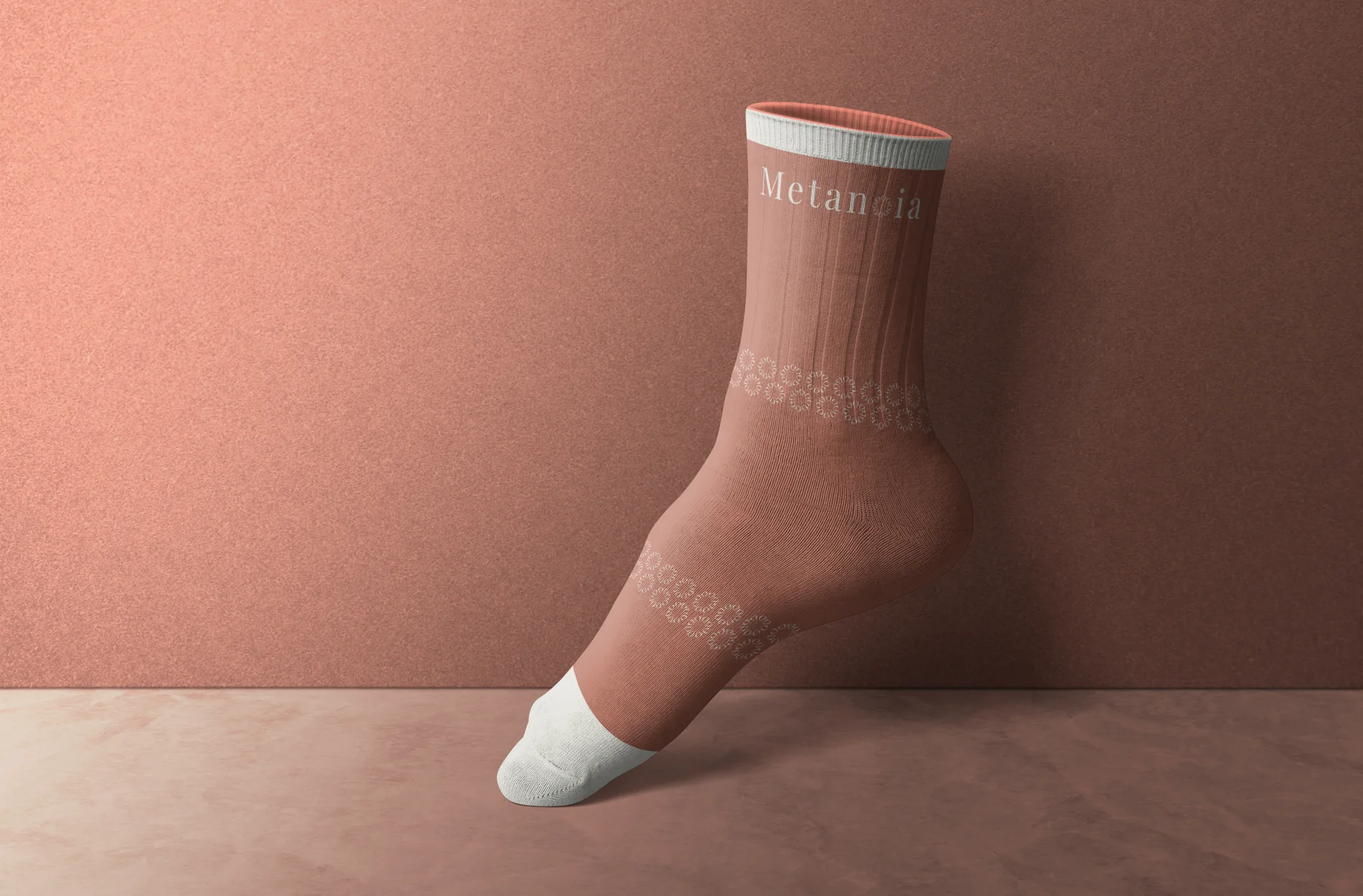
When designers and marketers keep improvising "off-brand" because the official kit is too limited to work with, the system has failed its daily test. A healthy identity makes producing content easier, not harder. Our Confetti and Metanoia projects show what a system built for daily use looks like.
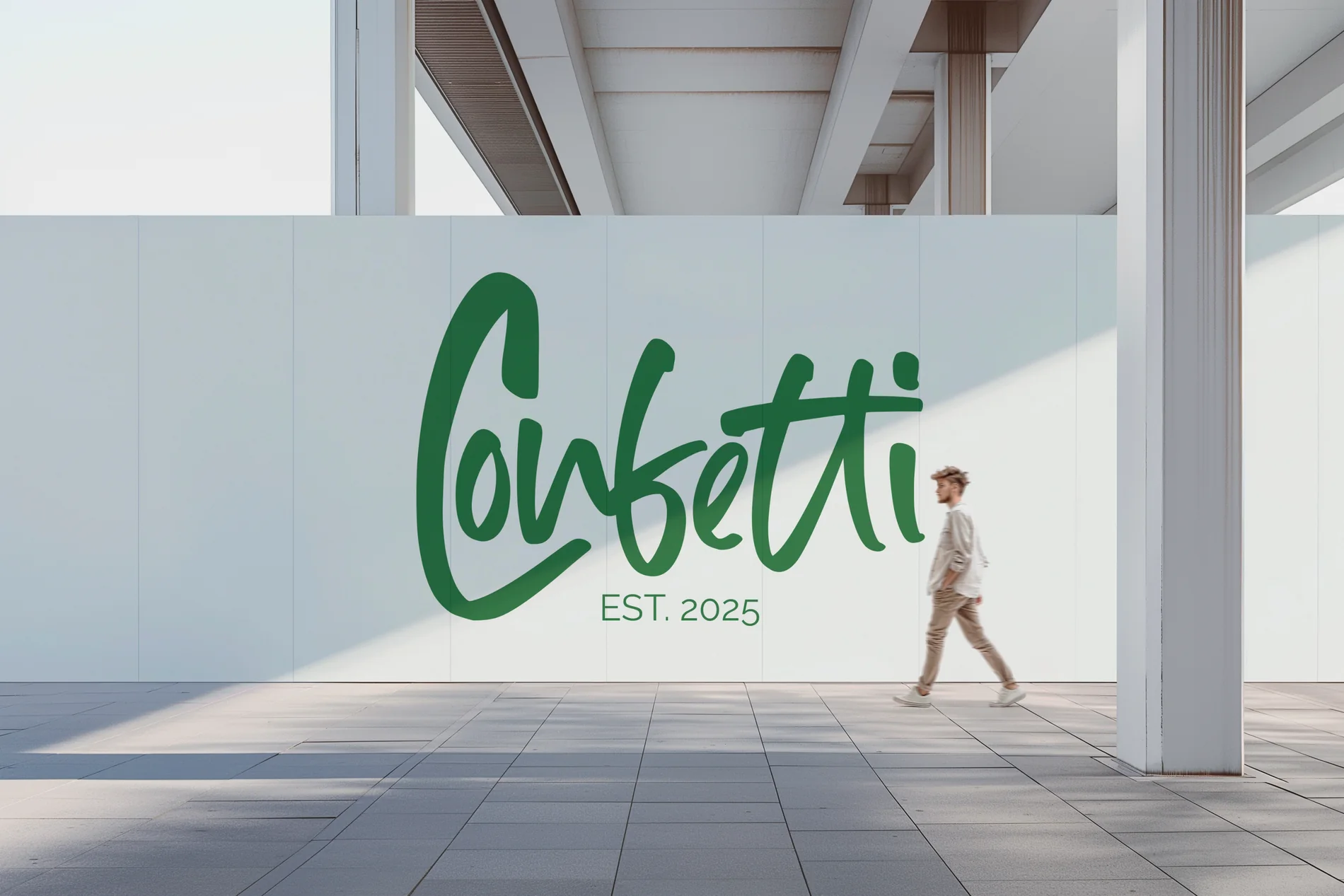
A logo update changes how the brand looks. An identity refresh changes how the brand works.
What to do if you counted two or more
One sign might be noise. Two or more means the system needs rebuilding - strategically, keeping whatever equity you have earned (a colour, a mark, a voice) and replacing what holds you back. That is exactly the kind of work we do; see recent refreshes or ask us for an honest read on your brand - sometimes the answer really is "your logo is fine."
Frequently asked questions
How do I know if my brand needs a refresh or just a new logo?
If the problem is limited to an outdated mark, a logo update may do. But if your visuals are inconsistent across channels, your audience has shifted, you blend in with competitors, or your quality outgrew your look - the problem is the system, and only an identity refresh fixes a system.
How often should a brand refresh its identity?
There is no fixed schedule. Strong identities can run for a decade; weak ones fail in two years. Refresh when the brand no longer matches the business - after repositioning, audience shifts, product-line growth or visible market fatigue - not just because time passed.
Will refreshing my brand lose the recognition I built?
Not if it is done properly. A good refresh audits what carries equity - a colour, a mark, a voice - and keeps it, while rebuilding what holds the brand back. Evolution, not erasure.