
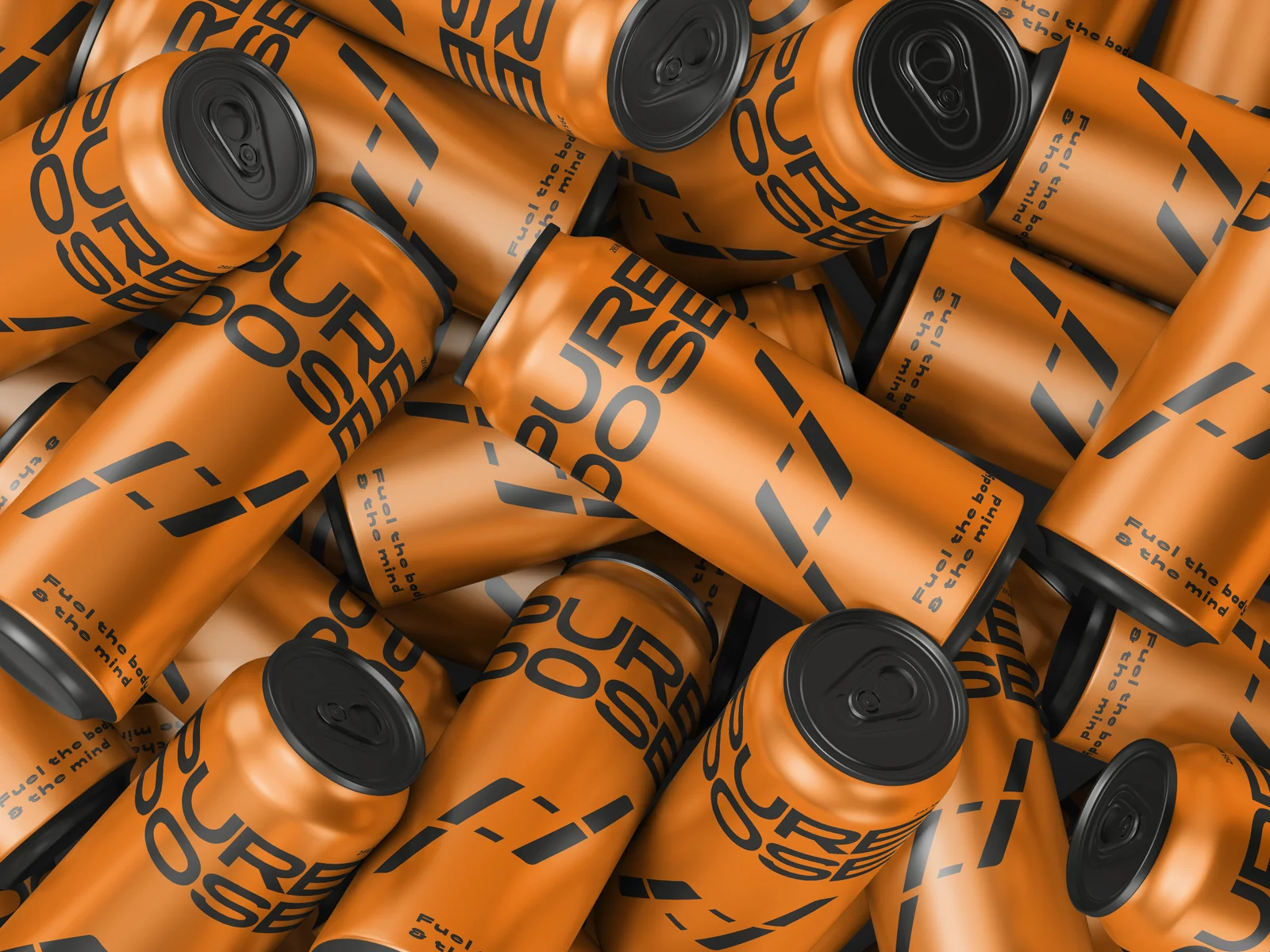
The reason CGI quotes confuse brands is that they are structured differently from a photoshoot. A shoot is priced by the day or the image. CGI is priced by the model first and the image second. Once a pack exists as a 3D model, a new angle, a new flavour or a new Ramadan scene is a render, not a reshoot. That is the whole economic argument, and it is why the per-image comparison only tells half the story.
How is product CGI priced?
Two lines on every honest CGI quote:
- Modelling, per SKU. Building the pack in 3D from the dieline and the print-ready artwork, with the materials, the label, the cap, the foil or the pouch behaviour done properly. This is a one-off cost per product shape. A second flavour of the same pouch is a material swap, not a new model.
- Rendering, per image. Each finished image: white-background packshots, 360 spins, lifestyle scenes, seasonal editions. This scales with what you ask for, and the price per image drops as the count rises because the set-up is amortised.
Published benchmarks from rendering studios, mostly North American and European, give the shape of the numbers. One 2026 guide puts simple packaging and bottle renders at roughly USD 100 to 300 per image, medium complexity at 300 to 1,000, complex hero images at 1,000 to 1,500 and above, with modelling from about USD 150 to 500 per product and 360-degree spins at USD 500 to 2,000. Another puts white-background renders at USD 100 to 350, lifestyle scenes at 400 to 900, premium work at 900 to 2,500 and above, and adds 25 to 50 percent for rush. Both note that offshore studios price below these. We could not find a published GCC-specific per-SKU rate, so treat these as the global shape, not a local price list. Our own per-SKU quote depends on the pack's complexity and the number of images, and takes a day to produce once we have the dieline.
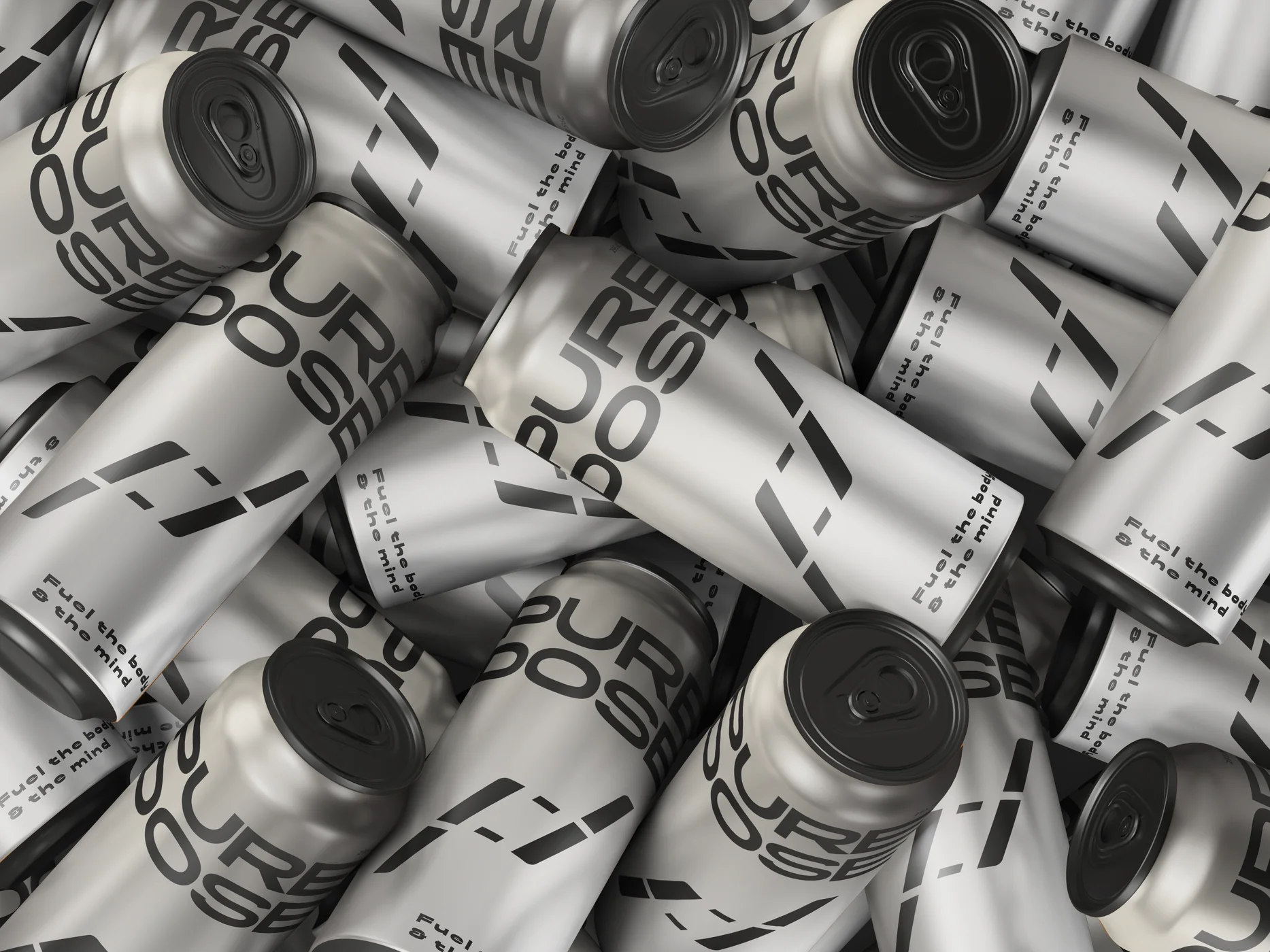
What does a photoshoot cost in the Gulf, for comparison?
Dubai e-commerce photographers publish their rates, which makes the comparison possible. One studio lists white-background packshots at roughly AED 120 to 150 per image, styled shots at 150 to 200 and lifestyle at 180 to 260, with 360-degree work from about AED 350; the wider Dubai market band it quotes is AED 110 to 550 per image. Another publishes per-photo tiers of AED 250, 200 and 150 by volume. Add studio hire, which Dubai listings put at roughly AED 1,200 to 3,500 for a day, plus props, styling and the product's own travel. Riyadh product photographers we checked quote on request rather than publishing rates.
So for a single product, a single angle and a white background, the photographer is usually cheaper, and we say so in our CGI versus photography guide. The question is what happens on image twenty.
Where does rendering beat the shoot?
| Scenario | Photoshoot | CGI |
|---|---|---|
| One SKU, one angle, white background | Cheapest option | Model cost not yet amortised |
| One SKU, six angles plus a 360 | A day in the studio, retouching per image | One model, seven renders from it; usually already ahead |
| Eight SKUs sharing one pack shape | Eight products styled, lit and shot; consistency depends on the day | One model, eight material swaps; pixel-identical lighting across the range |
| Seasonal edition or new flavour in month six | Rebook the studio, re-ship the product | Update the artwork, re-render |
| Pack exists only as a dieline, launch is in four weeks | Impossible until printed samples exist | Rendered from the artwork; listings and sell-in decks ready before print |
| Lifestyle with real people and real places | Wins on authenticity | Possible, rarely worth it |
The crossover for most GCC F&B and consumer brands comes early, usually at the second SKU or the second season, whichever arrives first. Brands that already run a range across Panda, Salla and a quick-commerce app tend to be well past it.
Why marketplace specs push the answer towards CGI
Amazon's published listing requirement is a pure white background, at least 1,000 pixels on the longest side, the product filling 85 percent or more of the frame and no added text or logos. noon asks for the same clean background, photographs only, with no logos or watermarks. Those specs are trivial to meet in a render and fiddly to meet in a studio for every SKU, every time. The same applies to a Salla or Zid product page, where the first image is a thumbnail a few hundred pixels wide; see our note on e-commerce packaging for Salla and Zid merchants.
How to get a per-SKU price
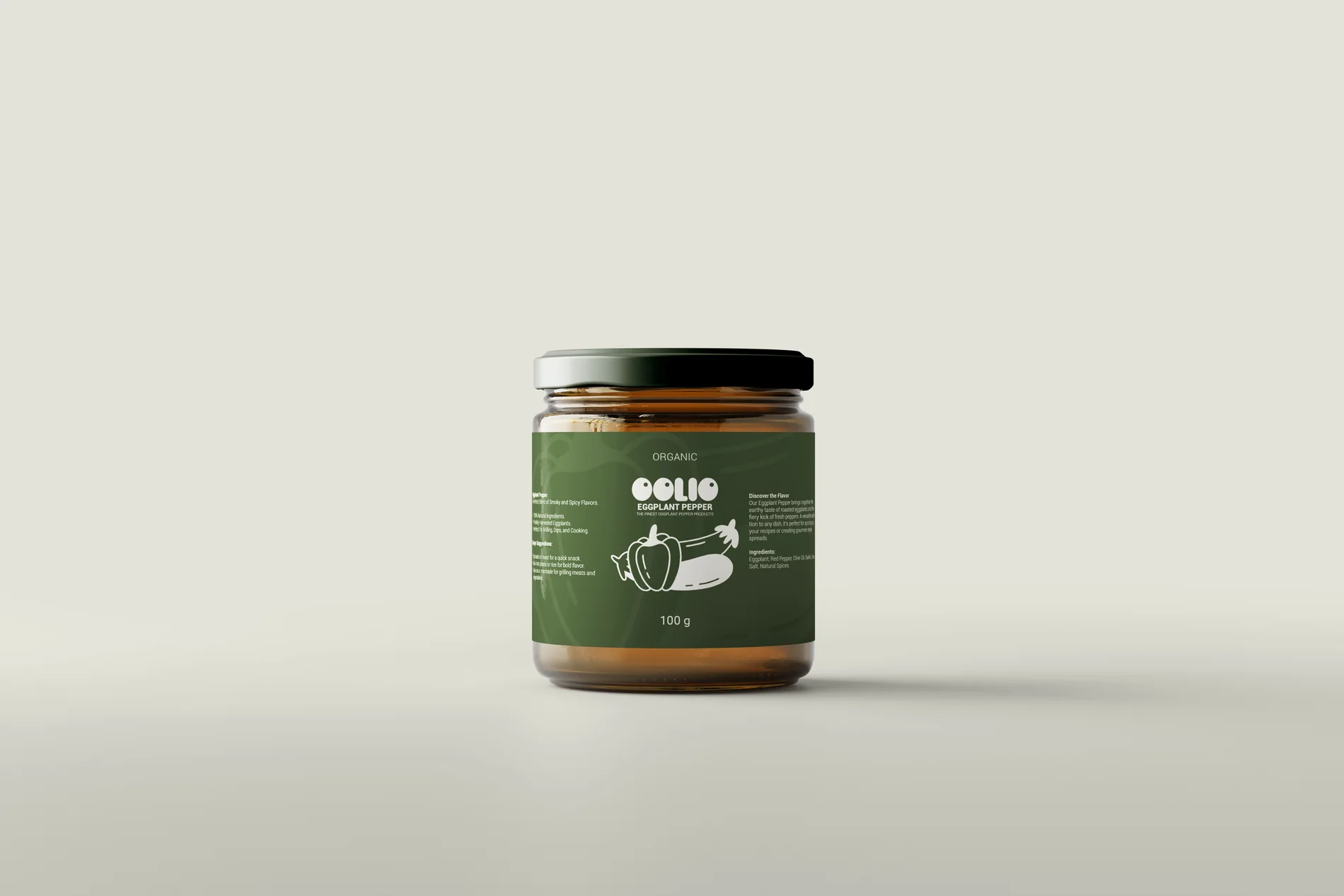
Send the dielines, the print-ready artwork if it exists, the number of SKUs and which share a shape, and the images you need: angles, 360s, lifestyle scenes, seasonal editions. With that we quote modelling per shape and rendering per image inside a day. If the packaging is not designed yet, we build the model as part of the packaging project and the listing images come out of the same file, which is the cheapest route of all. See the work, and send us the range.
Frequently asked questions
How much does product CGI cost per image?
Published studio benchmarks put simple packaging renders at roughly USD 100 to 350 per image, lifestyle scenes at USD 400 to 900 and premium hero images above that, with 3D modelling as a separate one-off cost per product shape. Offshore studios price below these. No GCC-specific per-SKU rate is published; quotes depend on pack complexity and image count.
Is CGI cheaper than product photography in Dubai or Riyadh?
For one product and one white-background angle, usually not: Dubai photographers publish rates of about AED 120 to 260 per image plus studio hire. CGI becomes cheaper as soon as you need several angles, variants or seasonal scenes, because the model is built once and every further image is a render.
What image specs do Amazon and noon require?
Amazon requires a pure white background, at least 1,000 pixels on the longest side, the product filling 85 percent or more of the frame and no added text or logos. noon asks for a clean white background, photographs only, with no logos or watermarks. Renders meet these consistently for every SKU.
Can I get product images before the packaging is printed?
Yes. CGI renders from the dieline and print-ready artwork, so listing images, sell-in decks and retailer submissions can be ready before the first print run. That is not possible with photography until physical samples exist.